

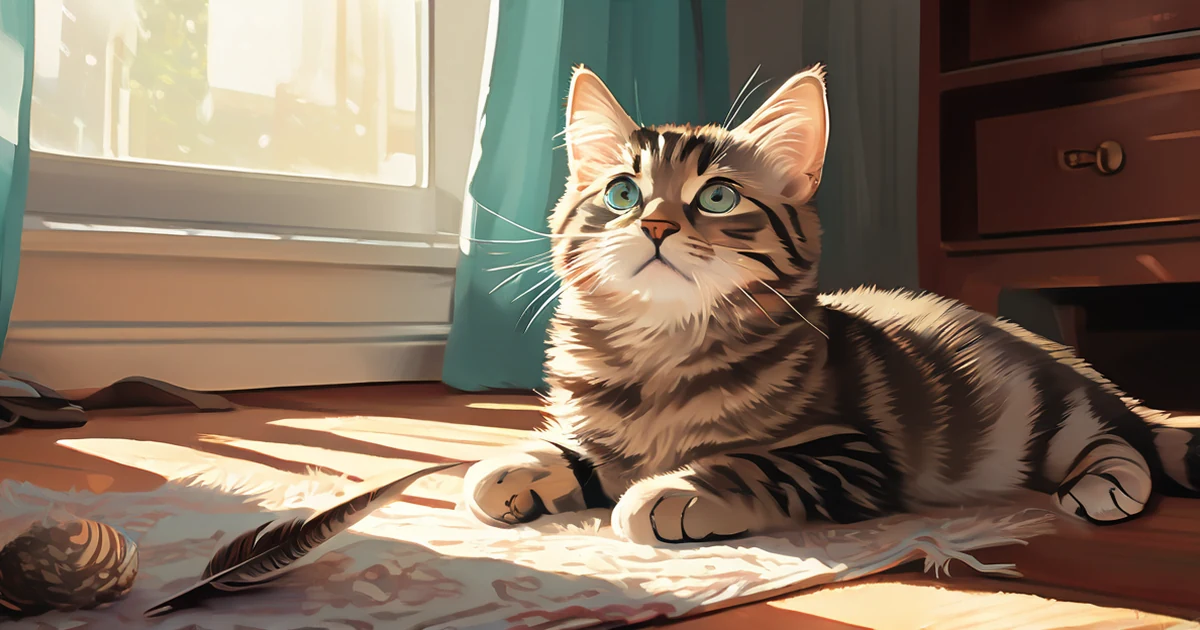
The short answer: a cat biting you is almost never an attack. It is communication gone sideways — your hand became a toy, you petted past the cat's tolerance, or the cat was afraid. So the fix is not punishment. It is three things: withdraw attention the instant teeth touch skin, give the cat something legal to bite, and reset how you play together. Whether you need medical care depends only on wound depth: a tooth dent washes off, while a puncturing bite that draws blood means urgent care.
What To Do in the Moment: The "Go Still" Method
When teeth close on your hand, the instinct is to yank it away — the worst possible response. A retreating hand looks like prey fleeing, which completes the hunting sequence and pays the cat for biting. Curved canines are also needle-thin, so a fast pull can turn one puncture into a long tear.
- Freeze. Stop the hand: no flapping, no scolding. Wait for the cat to release, then leave the room for thirty seconds. The lesson you want is "biting ends the game," not "biting starts an argument." Everyone in the house must respond the same way; if one person stops and another keeps petting, the cat learns that biting works sometimes — the hardest pattern to extinguish.
- Swap in a target. Hands are out of the chase-and-pounce business. Use a long wand so your hand never sits inside striking range, and run two focused ten-minute sessions a day.
- Interrupt early. Watch for the tail starting to flick, the skin rippling along the back, the ears rotating outward, and pull your hand back before the bite. Blocking a behavior that hasn't happened is easier than correcting one that has.
The Four Reasons Cats Bite (They Need Different Fixes)
"My cat bites me" is not one problem. It is four problems wearing the same symptom.
- Petting threshold. You stroke for a while, and the cat turns, nips, and walks off. That is tactile tolerance hitting its ceiling, not betrayal. The belly, tail base, and hind legs are the least forgiving zones. Shorten sessions, stay on the head and chin, and stop while things are still good.
- Play aggression. Ambushing ankles from behind a door, wrapping both front legs around your hand and rabbit-kicking. This peaks around a year old and is unmet hunting drive. These cats need denser simulated hunting, and every session should end with an actual catch.
- Fear or pain. Ears flat, pupils blown, body pulled back, a hiss — then the bite. That is defense, not meanness. A cat with a sore spot will also bite when you touch it, so if a normally gentle cat starts biting out of nowhere, book a vet visit.
- Kitten teething. Between three and six months, kittens mouth everything: itchy gums plus no pressure control yet. Separate case, covered further down.
To drain hunting drive, a screen works as well as a toy: see our guide to using laser pointers with cats, plus our roundup of tablet games cats actually play.
Do You Need a Shot After a Cat Bite? Triage by Depth
Sort this out first: it is time-sensitive.
- Tooth dents, skin intact: wash with soap and running water. No shots.
- Skin broken, some oozing: irrigate with soap and running water for a full fifteen minutes, disinfect, then have a clinician decide whether rabies post-exposure treatment is needed.
- Deep puncture, heavy bleeding, or any wound on the hands or face: get medical care. Hands are dense with tendons and joint spaces, where deep infection is especially nasty. Have tetanus status reviewed too.
A cat's canine works like a hypodermic needle, pushing oral bacteria deep under the skin while leaving a surface hole barely visible. Once that hole closes, the bacteria multiply in a sealed pocket and form an abscess. Cat bites are generally considered to carry a higher infection risk than dog bites, so "it is only a tiny hole" is the wrong takeaway. If redness spreads, the area feels hot, or fever and throbbing start within a day or two, get seen promptly — and don't squeeze it yourself.
The ten-day observation rule does not mean waiting ten days before treatment. Start the course your clinician recommends and observe at the same time: if the cat stays healthy through ten days, they can adjust what comes next. A healthy vaccinated indoor cat you can watch is low risk. A stray of unknown origin is not.
Is Punishing a Cat That Bites Hard Ever Okay?
Swatting, nose taps, spray bottles, scruffing: they seem to work for a few days, and the price is welding two ideas together — hands are threats, humans are unpredictable.
A cat that was only playing too rough gets punished a few times and shifts from a bite with a warning to a bite with none. No hiss, no flattened ears, just teeth. It learned that warnings don't help.
If your cat already flinches from your hand or growls when you approach, the repair work is trust. Let hands do two jobs only: delivering food and making brief, gentle contact. Put vigorous play on a long-handled toy, give it vertical space to retreat to, and never chase or scoop it up from above.
Why a Two-Month-Old Kitten Bites Differently
Between three and six months, kittens learn bite inhibition. When littermates play and one bites too hard, the other yelps and stops engaging — that feedback loop is what calibrates pressure. Kittens separated from their mother and siblings too early miss that class entirely, and a human has to teach it instead.
The curriculum is simple: the moment teeth touch you, end all interaction and walk away, so biting becomes the period at the end of the sentence. Keep a few chew toys around, because teething gums are a physical need. Never use your fingers as a toy, which literally teaches that hands are biteable, and never hit: a kitten reads a swinging hand as an even better toy and gets more wound up, not less.
Biting at this age is almost never aggression, and most of it fades between six and nine months as the cat matures. If a cat is still biting hard past its first birthday, re-run the four categories above instead of turning up the punishment.
Curious how strong that drive really is? Play CatPawCity's free cat toy game and let the fish on screen take the hits instead of your hand — or wander the breed districts and see how much energy levels differ from one breed to the next.🎮 Play free — no download