

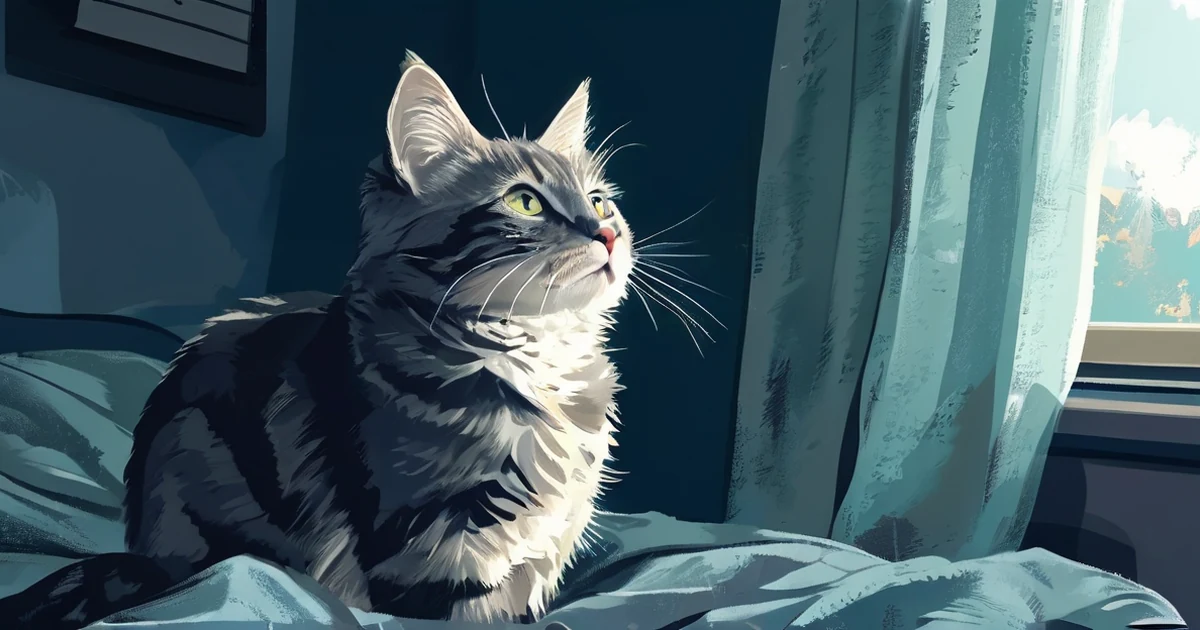
When your cat starts meowing at 3 a.m., it is almost never out of spite. The most common causes are simple: unused energy, hunger, and a habit of attention-seeking that has been accidentally rewarded. In senior cats, though, loud nighttime yowling can signal cognitive dysfunction or an underlying illness. The fix is not punishment — it is a structured bedtime routine plus consistent silence when the calls are purely for attention. Most cats adjust within two to three weeks.
Why Cats Meow at Night: The Most Common Causes
Adult cats rarely meow at each other — the meow is largely a language they reserve for humans. So when it shows up at midnight, your cat is communicating a need. Match the cause before trying a fix:
- Unused energy. Cats sleep 13 to 16 hours a day. A young cat that napped all afternoon has a full battery at midnight and will sprint hallways until it drains. This is the number-one cause in cats under three.
- Hunger. If dinner is served early and the bowl is empty by 4 a.m., some cats will lobby for breakfast — loudly.
- Learned attention-seeking. If you have ever gotten up to shush the cat, you taught it a lesson: meowing works. Scolding counts as a response.
- Environmental change. A move, a new pet, a houseguest, or rearranged furniture can all keep a cat restless after dark.
- Age-related causes. Cats over 14 or 15 may yowl at night due to cognitive dysfunction syndrome (similar to dementia), hearing loss, or hyperthyroidism.
- Being in heat. An unspayed female cycles through periods of loud, crying yowling that no amount of soothing will stop.
How to Stop the 3 A.M. Wake-Up Call: The Bedtime Routine
The most effective plan rewires the cat's schedule to match yours. Cats are creatures of routine, and theirs happens to include a hunt-eat-groom-sleep cycle at dawn. Borrow that sequence:
- Play hard before bed. About an hour before your bedtime, run a 10 to 15 minute play session with a wand toy or a ball. The goal is a real "hunt" — chase, pounce, catch — until the cat visibly winds down.
- Feed right after play. A small meal following the hunt completes the natural cycle and triggers a post-meal sleep. Shift part of the cat's daily food here if you use a set schedule.
- Set up the night zone. Bed, water, and a clean litter box in their usual spots so the cat never has to "ask" for anything at 2 a.m.
- Keep a consistent wake-up time. If breakfast lands at 7 a.m. every day, most cats learn to wait. An automatic feeder set for pre-dawn can absorb the early-morning lobby for you.
- Ignore the attention meow. Once needs are ruled out, every response — yelling, getting up, even eye contact — is a jackpot that extends the habit. Many owners see exactly this pattern: the cat meows for a stretch and then gives up. That silence is the training working. The danger is caving on night four, which teaches the cat that persistence pays, and the next round runs longer.
If your cat's version of a bedtime wind-down includes kneading your blanket or your lap, that is a good sign — it is the same comfort ritual kittens use, and it usually ends in sleep. We cover the mechanics in why cats knead.
Why Punishment Backfires
It is tempting to search for a way to "stop" the noise, but spray bottles, shouting, and scolding all fail for the same reason: cats cannot connect a punishment delivered now with a meow from ten minutes earlier. What they do learn is that meowing made you appear — which is reinforcement, not correction. Worse, punishment adds fear and stress, and chronic stress tends to resurface as other problems: hiding, litter box lapses, or touch sensitivity that escalates into nipping when petted.
Practical tip: earplugs are a legitimate tool. The critical window for extinction is the first three to five nights. If you can hold the line through that stretch, each following night gets quieter.
When Night Yowling Means a Vet Visit
Some nighttime vocalizing is medical, and the odds rise with age. Take an older cat seriously if the yowling comes with confusion, staring at walls, pacing, or a flipped day-night sleep cycle. Cognitive dysfunction syndrome is common in senior cats and manageable when caught early. Hyperthyroidism — often visible as a ravenous appetite with weight loss — and high blood pressure also produce restless, vocal nights, as does pain from arthritis or dental disease. Kittens are a different story: a newly adopted kitten crying at night is usually just homesick for its littermates, and a warm hideout plus an old towel that smells like the breeder or shelter settles most of them within a few days. And for a cat in heat, the only real fix is spaying; the yowling, rolling, and escape attempts return with every cycle.
Lifespan context matters here: with good care, cats commonly reach their late teens, and those final years are exactly when night vocalizing peaks. Our guide to how long cats live breaks down what changes at each life stage.
One last practical note: if you are short on ideas for that pre-bed play session, rotate toys instead of repeating the same wand every night. Puzzle feeders and short sessions of tablet games for cats before the physical round work well together — burn the mind, then burn the legs, then dinner, then lights out.
🎮 Play free — no download